Blog

  • APC Aspirant Unveils Development Agenda for Etsako Central, Targets Agricultural and Youth Inclusion

    The contest for local leadership in Edo State has brought sharp focus onto grassroots development models, particularly in Etsako Central Local Government Area. As the All Progressives Congress (APC) prepares for the selection of its flagbearer, the discourse is centering on the intersection of economic security and social inclusion.

    Hon. Goodluck Momodu, seeking the chairmanship mandate, has articulated a policy framework heavily weighted towards the empowerment of women and youths. The strategy moves beyond rhetoric to propose concrete skills acquisition frameworks and financial access for small-scale enterprises. The underlying premise of this platform is that local government administration must prioritize the productive population to achieve any measurable progress in the standard of living.

    Economic revitalization serves as the second pillar of this agenda. There is a specific intent to reposition Etsako Central as a primary hub for food production. By investing in the agricultural value chain, the objective is to stimulate local wealth creation for farmers while simultaneously creating an environment conducive to attracting production factories. This dual approach aims to solve the twin challenges of unemployment and low internal revenue generation.

    Furthermore, the roadmap acknowledges that development cannot thrive amidst insecurity. The proposed administration intends to foster a tighter synergy between security agencies and community stakeholders to guarantee peace. As Etsako Central approaches the polls, voters are presented with a vision that seeks to balance infrastructure growth with human capital development and public safety.

  • The Data Ghost

    The Data Ghost

    Why planning without facts is just a expensive gamble.

    So, the National Population Commission (NPC) announced its latest “readiness” for the National Census in early 2026, and it felt like déjà vu. Another assurance. Another budget allocation. Another year of “estimated” lives. Now the question is simple: How can a government fix a problem it cannot accurately measure?

    The Guesswork Governance

    In Nigeria, policy failure often starts with a blank spreadsheet. We are a nation of “approximate” figures. Whether it is the number of out-of-school children or the actual volume of petrol consumed daily, our policies are built on projections, not precision. At the centre of this issue are:

    • The Invisible Citizen: Millions of Nigerians in the informal sector exist outside any official database.

    • Delayed Snapshots: Our last successful census was in 2006. We are currently navigating a 2026 economy using 20-year-old DNA.

    • The “Estimate” Trap: When you guess the population, you guess the need for hospitals, schools, and transformers.

    Living in the “Approximate”

    On paper, the lack of data creates a massive gap between allocation and impact:

    • The Census Void: Nigeria’s population is currently estimated at 241 million (Worldometer/UN data), but without a verified census, per capita planning remains a shot in the dark.

    • Unaccessed Wealth: As of March 2026, over ₦97.88 billion in Universal Basic Education (UBEC) funds sits idle. Why? Because many states lack the verified enrollment data and counterpart “structures” to trigger the release.

    • The 18.5 Million: UNICEF data continues to flag Nigeria as having the world’s highest number of out-of-school children (approx. 18.5 million), yet local government data often contradicts these figures, leading to paralyzed interventions.

    From a macro perspective, this suggests: We are distributing resources based on political influence rather than documented need.

    Reality on the Ground

    Now step outside the data. Talk to:

    • A Local Government Chairman trying to distribute “palliatives” using a 5-year-old community list.

    • A Tech Founder in Yaba trying to pitch a solution but unable to find credible “Market Size” data for Northern Nigeria.

    • A Doctor in a rural clinic who receives medicine for 100 people when 500 show up at the door.

    Then state what’s happening in real life: When data is missing, the loudest voice gets the resources, not the hungriest stomach. That’s not just a statistic. That’s systemic exclusion.

    The Core Tension

    Here is the real tension:

    • The Innovation: The government is launching the “National AI Strategy” and “Digital Economy Bills” in 2026.

    • The Foundation: We still don’t have a synchronized National Identity system that links a citizen’s bank account, tax ID, and home address. You cannot run a 21st-century digital economy on a 20th-century paper foundation.

    Pressure Points

    There are three key areas under scrutiny:

    1. Planning in the Dark Without a census, the “Redistribution of Wealth” is a myth. We don’t know exactly where the poverty is deepest.

    2. The Informal Blindspot Over 60% of Nigeria’s GDP is informal. Policies like “Tax Reform” often fail because the government only sees the 10% who are already paying.

    3. Institutional Silos The NBS, NIMC, and NPC often hold different versions of the truth. This “data friction” slows down every major reform.


    The Verdict

    This is not a lack of technology. But it is a failure of baseline facts. It is the Estimation Phase.

    Policies are not judged by the ambition of the “Digital Bill.” They are judged by the accuracy of the “Household Survey.” Until we count every Nigerian, we will continue to miss every target.

  • The “Legacy Debt” Trap

    The “Legacy Debt” Trap

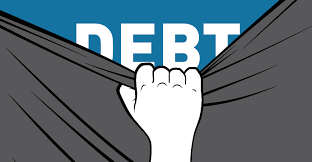
    When the Federal Government announced the 2026 Abridged Budget Call Circular, it wasn’t just another document. It was a white flag. A confession. A harsh reality check. The directive was clear: 70% of 2025’s capital projects must be carried over into 2026. Now the question is simple: How can we build a “New Nigeria” when 70% of our energy is spent just trying to finish the “Old” one?

    The Rollover Crisis

    Nigeria’s policy failure often begins before a new law is even signed. We suffer from “Project Constipation”—too many ideas entering the pipe, and almost nothing coming out the other end. At the centre of this issue are:

    • Abandoned Ambitions: Thousands of half-finished roads, dams, and bridges.

    • Fiscal Suffocation: New policies need fresh funding, but old debts eat the lunch.

    • The “Continuity” Myth: Every new administration wants its own “legacy,” leaving previous policies to rot.

    A Budget in Chains

    On paper, the 2026 fiscal outlook shows the weight of this baggage:

    • Debt Servicing: Projected to rise to ₦15.52 trillion in 2026, up from ₦13.94 trillion in 2025.

    • Capital Squeeze: Aggregate capital expenditure is actually projected to drop to ₦22.37 trillion as the government tries to contain spending.

    • The Deficit: The gap between what we earn and what we spend is widening to a staggering ₦20.12 trillion.

    From a macro perspective, this suggests: We aren’t just funding progress; we are paying a “fine” for past inefficiencies.

    Reality on the Ground

    Now step outside the data. Talk to:

    • A contractor in Abuja who hasn’t been paid since 2024.

    • A community leader in Enugu looking at a “state-of-the-art” hospital that stopped at the roofing stage.

    • A graduate waiting for a “Youth Fund” that exists in a bill but has no cash in the bank.

    Then state what’s happening in real life: When 70% of projects are “deferred,” it means 70% of the promised impact is on pause. That’s not just a statistic. That’s a stagnant economy.

    The Core Tension

    Here is the real tension:

    • The Government: Wants to start new reforms (like the Tax Acts of 2026) to boost revenue.

    • The Reality: The revenue generated is immediately swallowed by the interest on old mistakes.

    Pressure Points

    There are three key areas under scrutiny:

    1. The “Start-Stop” Culture Changing priorities mid-stream costs the taxpayer billions in mobilization fees for projects that never finish.

    2. Revenue vs. Debt We are trapped in a cycle where we borrow to pay back what we borrowed, leaving little for actual policy execution.

    3. Institutional Memory Ministries lose track of why a policy was started, leading to “wasteful duplication” of new ideas that solve old problems.

    This is not a lack of vision. But it is a failure of discipline. It is the Debt-Log Phase.

    Policies are not judged by the beauty of the “2026 Circular.” They are judged by the completion of the 2020 promises. Until we clear the backlog, the future will remain on hold.

    (part 2 of this series is under way….)

  • Tinubu’s Economic Reforms: Are Nigerians Feeling the Impact Yet?

    Tinubu’s Economic Reforms: Are Nigerians Feeling the Impact Yet?

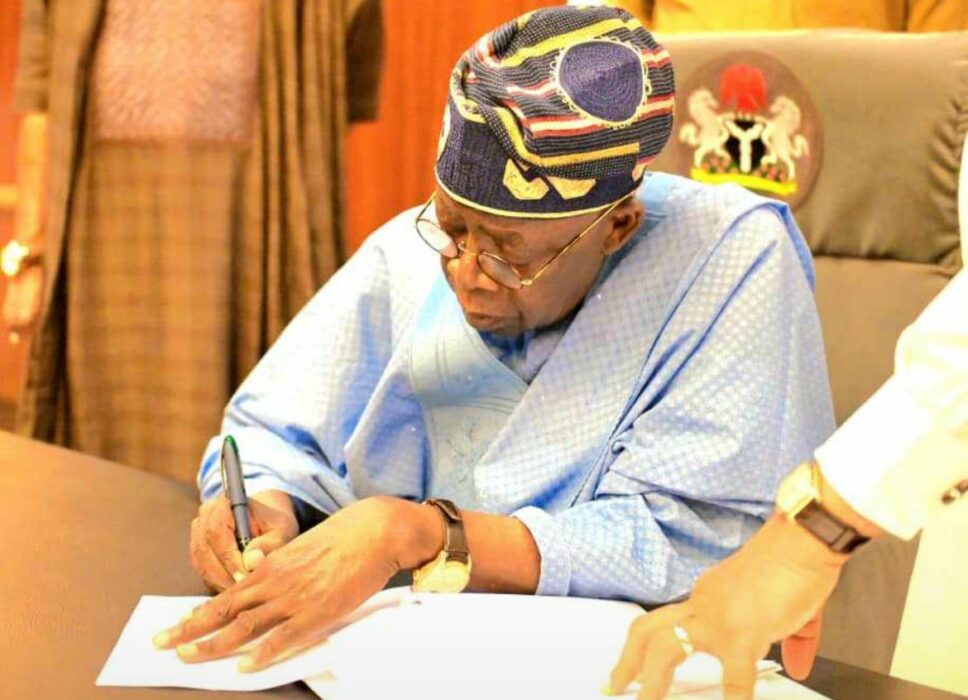
    When President Bola Ahmed Tinubu declared “subsidy is gone” in May 2023, it was more than a policy shift.
    It was a gamble.

    A gamble that short-term pain would unlock long-term stability.
    A gamble that Nigerians would endure enough to see the benefits.

    Two years later, the question is simple:
    **Is it working?**

     The Reform Agenda: What Changed

    At the centre of Tinubu’s economic strategy are three major decisions:

    * Removal of fuel subsidy
    * Unification of exchange rates
    * Fiscal tightening and revenue reforms

    These moves were widely praised by international investors and economists who had long argued that Nigeria’s system was unsustainable.

    Subsidies were draining public finances.
    Multiple exchange rates distorted the market.

    Fixing these meant shock therapy.

    The Numbers Say: There Is Progress

    On paper, the story looks promising.

    * Inflation, which peaked above 34% in 2024, has dropped significantly to around 15% by early 2026 ([Businessday NG][1])
    * GDP growth improved to about 3.8–4% in 2025, showing gradual economic recovery ([African Business][2])
    * External reserves climbed to over $50 billion, their highest in over a decade ([Businessday NG][1])
    * The gap between official and parallel exchange rates has nearly disappeared ([Punch Newspapers][3])

    From a macroeconomic perspective, the reforms are doing what they were designed to do:

    **Stabilise the system. Restore investor confidence. Fix structural distortions.**

    Even critics agree on one point:
    The old system was broken.

    But On the Street: A Different Reality

    Now step outside the data.

    Talk to a transport worker in Lagos.
    A trader in Ibadan.
    A civil servant in Abuja.

    The story changes.

    Fuel prices surged sharply after subsidy removal — in some cases increasing by over 300% ([Manufacturing Africa][4])
    Transportation costs followed.
    Food prices rose.
    Household budgets collapsed under pressure.

    A recent study found that poverty levels jumped from about 50% to 63% after the reforms were introduced ([Punch Newspapers][5])

    That’s not a statistic.
    That’s millions of people slipping deeper into hardship.

    Even today, Nigerians are still grappling with high living costs, despite signs of easing inflation ([Premium Times Nigeria][6])

    And in March 2026, fuel prices hit record highs again — rising by about 65% due to global shocks and market realities ([Reuters][7])

    The Core Problem: Timing vs Reality

    Here is the real tension:

    * **The reforms are working… structurally**
    * **But the relief is not reaching people fast enough**

    Economic reforms don’t fail overnight.
    But they also don’t feed families overnight.

    Tinubu’s approach follows a familiar economic philosophy:

    > Fix the system first. Let benefits come later.

    The risk?

    People may not wait.

     Where the Government Faces Pressure

    There are three key areas where Nigerians are watching closely:

    1. Transparency
    There are still questions about how savings from subsidy removal are being used ([Human Rights Watch][8])

    2. Social Protection
    Cash transfers and interventions exist, but many argue they are not enough or not reaching the right people

    3. Cost of Living
    Even with falling inflation rates, prices remain high relative to incomes

     So, Are Nigerians Feeling the Impact?

    Yes — but not in the way the government hoped.

    They are feeling:

    * Higher transport costs
    * More expensive food
    * Reduced purchasing power

    What they are not yet feeling — at scale — is:

    * Relief
    * Stability in daily expenses
    * Improved standard of living

    The Honest Verdict

    Tinubu’s reforms are not a failure.

    But they are not yet a success where it matters most.

    They are in transition.

    Right now, Nigeria is in the **pain phase** of reform —
    and the promised **gain phase** is still ahead.

    The Bigger Question

    Economic reforms are not judged by graphs.
    They are judged by everyday life.

    Until a Nigerian can say:

    > “Things are easier now”

    The debate will continue.

    Thought …

    The foundation may be getting stronger.
    But foundations don’t comfort people.

    Results do.

    And for millions of Nigerians,
    those results are still a work in progress.

  • Infrastructure Deficits and Manual Voting Hinder Real-Time Election Results, Says Former INEC Commissioner

    Infrastructure Deficits and Manual Voting Hinder Real-Time Election Results, Says Former INEC Commissioner

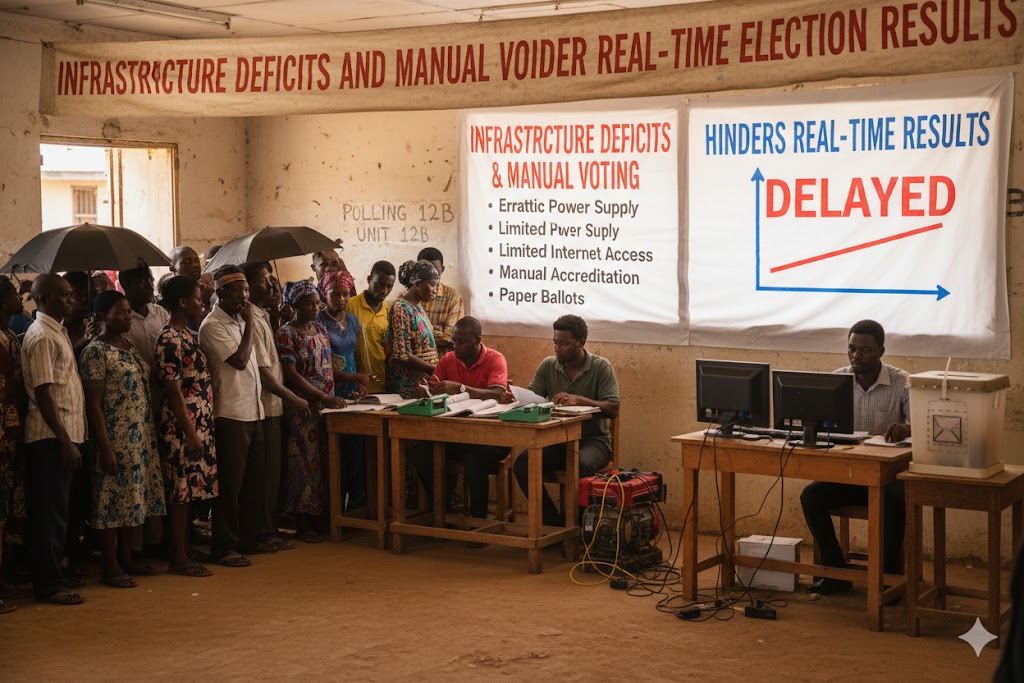
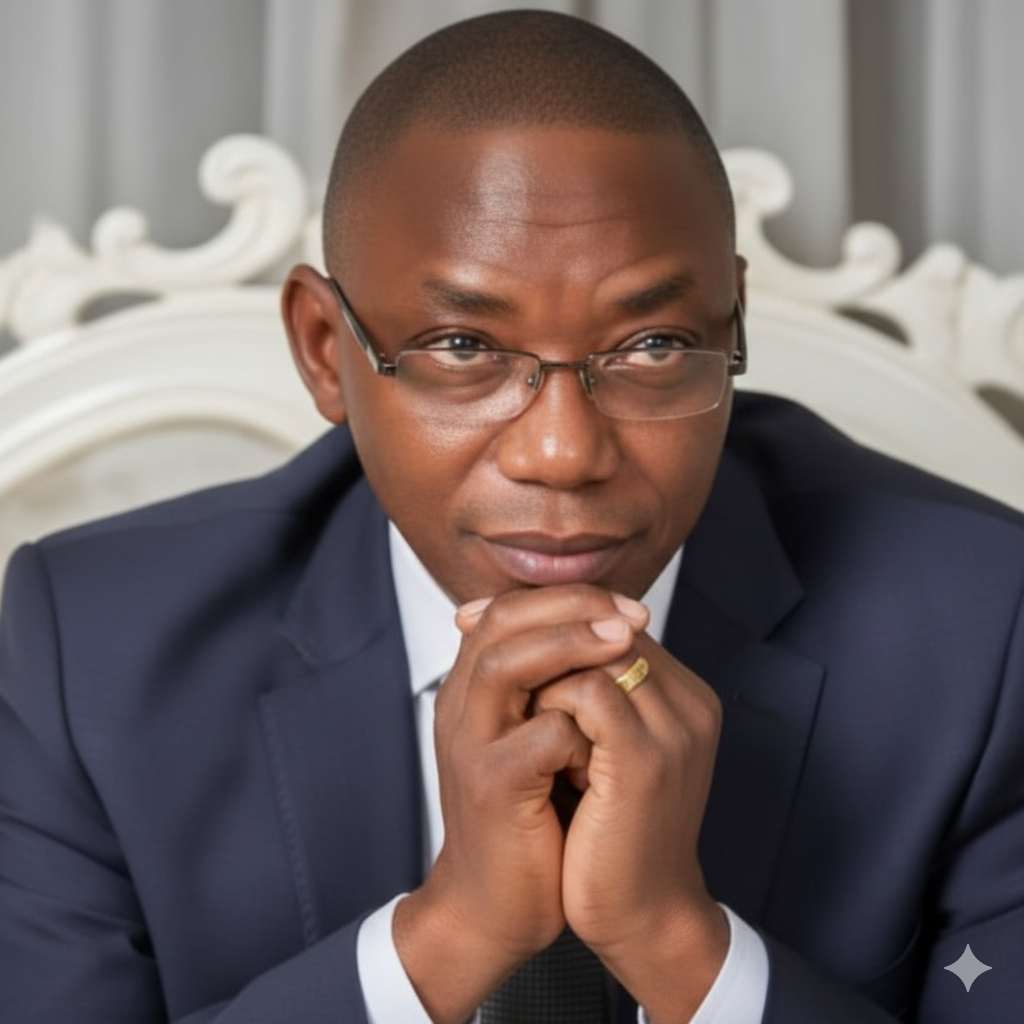
    The persistent demand for instantaneous, real-time electronic transmission of election results in Nigeria faces a significant hurdle: the country’s technological infrastructure and existing legal frameworks are simply not prepared to support it. Mustapha Lecky, a former National Commissioner of the Independent National Electoral Commission (INEC), has cautioned against the rush toward full digitization of result transmission, citing the foundational reliance on manual balloting.

    In a recent assessment of the electoral landscape, Lecky highlighted a critical disconnect in the current public discourse. While stakeholders push for live updates directly from polling units, the voting process itself remains entirely manual. Because citizens cast votes on paper ballots, the physical counting, verification, and signing of the EC8A result forms by party agents must take precedence. This human-led process renders the concept of “live” transmission—as seen in fully electronic voting systems—logistically impractical.

    Beyond the procedural constraints, the technical backbone required for such a mandate is lacking. Significant portions of the country, particularly in rural hinterlands, suffer from poor or non-existent mobile network coverage. Mandating real-time uploads in these “blind spots” could introduce chaos rather than transparency. Furthermore, a hasty transition increases the system’s exposure to cyber vulnerabilities and digital fragility, risks that could undermine credibility rather than enhance it.

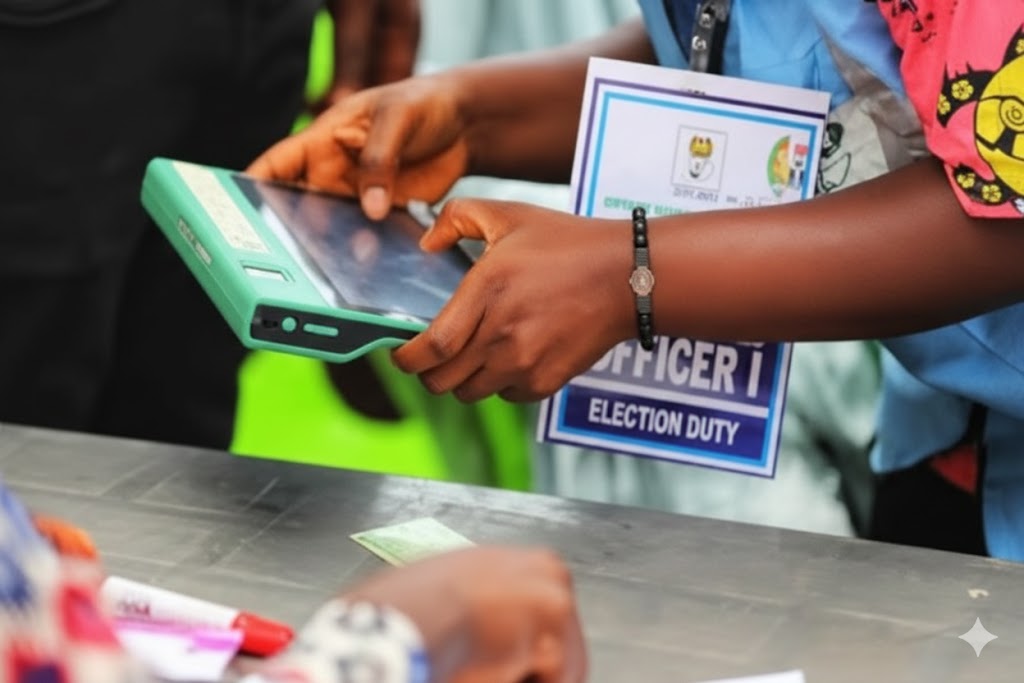
    The focus, therefore, should remain on optimizing existing mechanisms like the Bimodal Voter Accreditation System (BVAS) and the INEC Result Viewing Portal (IReV). These tools, when functioning correctly, offer substantial transparency without overextending the commission’s technical capacity. As legislative debates on electoral reforms continue, the emphasis must be on solidifying the manual-to-digital bridge rather than implementing mandates that the nation’s infrastructure cannot yet sustain.

  • Operational Readiness Tested: INEC Validates BVAS Efficiency Ahead of FCT Council Polls

    Operational Readiness Tested: INEC Validates BVAS Efficiency Ahead of FCT Council Polls

    As the Federal Capital Territory approaches the February 21 Area Council elections, the Independent National Electoral Commission has moved to validate its technological infrastructure through a comprehensive mock accreditation exercise. The focus of this operational stress test was the Bimodal Voter Accreditation System (BVAS), a device increasingly positioned as the pivot for electoral integrity in the region.

    Under the supervision of Commission Chairman Prof. Joash Amupitan, SAN, the exercise spanned multiple polling units, from the urban centers of Garki and Wuse to the outskirts in Ushafa and Dutse. The assessment aimed to identify technical vulnerabilities before the main event, ensuring the election day is not treated as an experimental run.

    Technical performance indicators from the field proved promising. The upgraded devices demonstrated rapid processing speeds, accrediting voters in five seconds or less, while robustly rejecting simulated double-voting attempts. To address perennial concerns regarding connectivity in remote areas, the commission has updated its protocols. Presiding officers are now equipped to utilize personal hotspots, and the system is programmed to automatically sync data to the IReV portal immediately upon detecting a network signal. Logistics are moving in tandem with technology, as non-sensitive materials have reached Area Councils and Supervising Presiding Officers are undergoing intensive training.

    However, the exercise exposed a persistent disconnect in the political ecosystem: voter lethargy. The low turnout during the simulation drew sharp criticism regarding the role of political parties. The commission emphasized that while it handles civic education and ballot security, the responsibility of mobilizing the electorate lies squarely with the parties seeking power.

    Furthermore, amidst ongoing legislative debates regarding electronic transmission of results, the commission has urged for calm, noting that the harmonization of the Electoral Act Amendment bill is a procedural necessity. As the technical hurdles are cleared, the challenge now shifts to the voters to define their future at the polls.

  • Dalung Challenges Tinubu’s Historical Stature, Citing Gap Between Strategy and Governance

    Dalung Challenges Tinubu’s Historical Stature, Citing Gap Between Strategy and Governance

    The narrative surrounding President Bola Tinubu as a defining political strategist is facing severe scrutiny, with high-profile critiques challenging the substance of his leadership legacy. Solomon Dalung, a former cabinet minister, has dismissed the President’s historical standing, asserting that he cannot be ranked alongside Nigeria’s founding fathers like the Sardauna of Sokoto and Obafemi Awolowo. This sharp rebuke centers on the premise that political greatness is forged through tangible service to the citizenry rather than mere electoral maneuvering or reputation management.

    The core of the criticism targets the visible gap between the administration’s projected strategic prowess and the harsh realities on the ground. Despite the accolades often attributed to the President regarding his governance of Lagos State, critics argue that this success has not translated to the national stage.

    The administration is accused of presiding over a deteriorating economy and escalating insecurity, with specific failures noted in the management of palliative measures intended to cushion economic reforms. The argument presented is that a truly great strategist would demonstrate efficacy through improved governance outcomes, yet the current landscape is characterized by flourishing corruption and economic instability.

    Looking ahead to the political dynamics of 2027, the focus is shifting toward the viability of the opposition. The African Democratic Congress (ADC) is positioning itself as a platform to challenge the status quo, emphasizing the necessity of unity over individual popularity. The strategy for unseating the incumbent relies on a transparent primary process and a consolidated opposition front.

    Ultimately, the discourse suggests that without a reversal in governance performance, the administration’s legacy will remain contested, defined not by past political victories but by present national challenges.

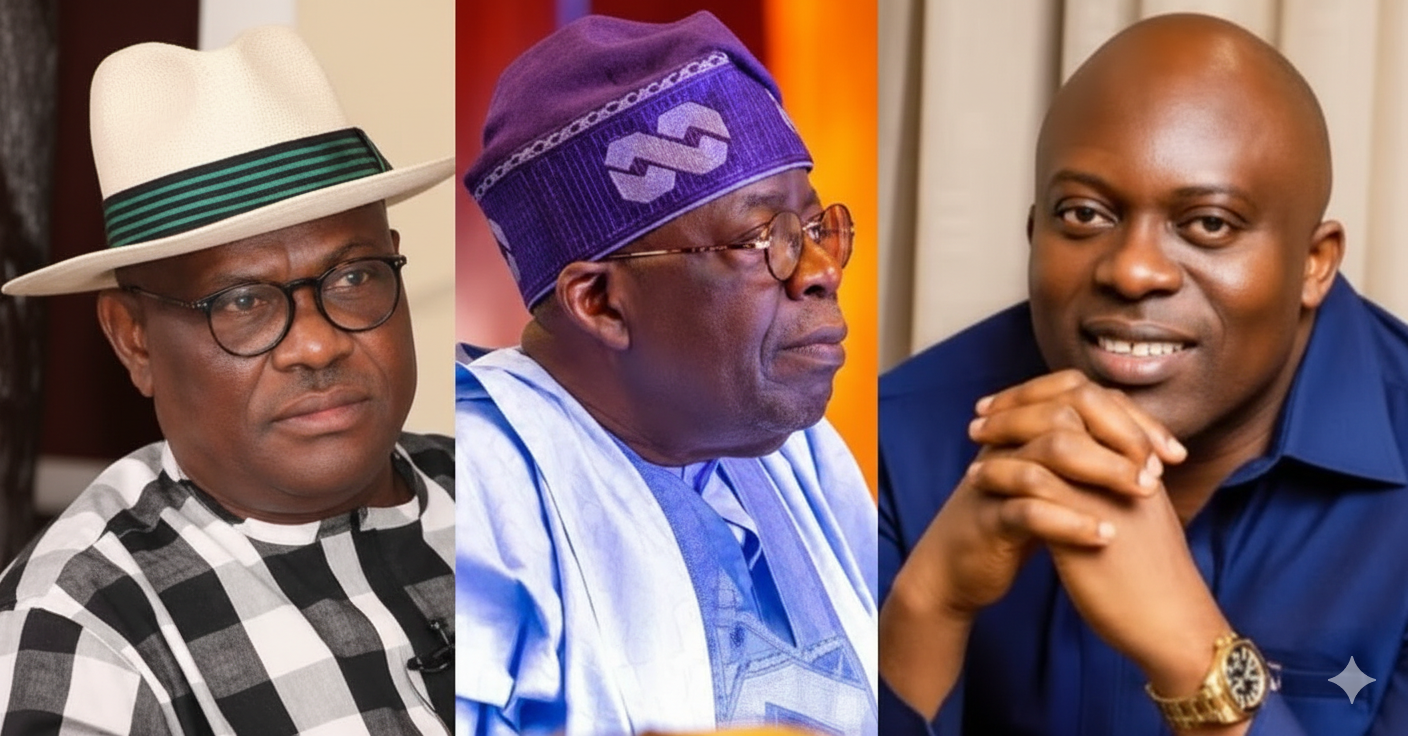
  • Executive Intervention: Tinubu Hosts Fubara and Wike in Late-Night Peace Talks

    Executive Intervention: Tinubu Hosts Fubara and Wike in Late-Night Peace Talks

    The protracted power struggle gripping Rivers State may be approaching a detente following high-level intervention from the Presidency. In a move aimed at arresting the deterioration of governance in the oil-rich state, President Bola Tinubu convened a closed-door dialogue involving the central antagonists of the crisis to negotiate a path toward stability.

    Held at the Presidential Villa in Abuja, the late-night session brought together Federal Capital Territory Minister Nyesom Wike and Rivers State Governor Siminalayi Fubara, alongside other critical stakeholders. While official communiques detailing the specifics of the discussion remain scarce, the optics following the engagement suggest a significant shift in posture. Notable indications of a potential truce emerged as Governor Fubara reportedly accompanied the former governor to his residence in Guzape, Abuja, immediately concluding the Villa engagement. This gesture marks a stark departure from the icy relationship that has defined their interaction in recent months, with suggestions that the Governor has offered assurances of mutual respect to de-escalate tensions.

    The rift between the incumbent and his predecessor has paralyzed political stability in Rivers since the onset of the current administration. The fallout has manifested in a fractured House of Assembly, with legislators split between loyalist factions, sparking impeachment maneuvers, legislative shutdowns, and endless litigation. At the heart of this discord lies a battle for the soul of the state’s party structure and administrative direction. The disruption has raised alarm regarding the continuity of governance and security in a region critical to the national economy.

    President Tinubu’s direct involvement underscores the strategic necessity of unifying the political base and preventing further administrative paralysis within the ruling party’s regional strongholds. By compelling the warring factions to the negotiating table, the Presidency aims to restore order and ensure that the machinery of the state is not ground to a halt by internal feuding. Whether this diplomatic breakthrough yields lasting peace or merely a temporary ceasefire remains the critical question as stakeholders watch for tangible de-escalation on the ground in Port Harcourt.

  • Why Policies Fail in Nigeria: The Great Disconnect

    Why Policies Fail in Nigeria: The Great Disconnect

    When the “Floating of the Naira” was announced in 2023, it wasn’t just a technical adjustment by the Central Bank. It was a promise of a new dawn. A leap into the free market. A bid for global trust. Now, as we navigate 2026, the question is simple: Why do brilliant “on-paper” reforms consistently struggle to survive the Nigerian reality?

    The Ambition Gap

    Nigeria is never short of bold ideas. From the “Removal of Fuel Subsidy” to the “Unified Exchange Rate,” the goal is almost always the same: to stop bleeding cash and start building a sustainable economy. At the centre of these failures are:

    • Structural Weakness: High-level policies built on top of crumbling infrastructure.

    • Timing: Implementing “pain-first” reforms without immediate social safety nets.

    • Trust Deficit: A long history of abandoned projects that makes the public skeptical of new ones.

    The Data: Success on Paper

    On paper, the macro indicators for 2026 show a resilient trajectory:

    • GDP Growth: The World Bank and IMF recently projected a 4.4% growth for Nigeria in 2026, citing improved services and ICT.

    • Inflation Easing: The NBS reported a gradual decline to 15.06% in February 2026, marking nearly a year of slowing price hikes.

    • Subsidy Savings: Reports from the Federal Account Allocation Committee (FAAC) show record-breaking monthly disbursements to states, theoretically providing more funds for local development.

    From a macro perspective, the “reforms” are working. The leakages are being plugged.

    Reality on the Ground

    Now step outside the data. Talk to:

    • A poultry farmer in Oyo struggling with the ₦1,500/$1 exchange rate for imported feed.

    • A delivery rider in Lagos whose daily earnings are swallowed by the ₦1,000+ per litre petrol price.

    • A mother in Kano who sees “slower inflation” as a joke because her grocery bill hasn’t dropped by a single Naira.

    Then state what’s happening in real life: The government is winning the “spreadsheet war,” but the citizens are losing the “stomach war.” That’s not just a statistic. That is the sound of a policy failing to “land.”

    The Core Tension

    Here is the real tension:

    • The System: Is finally seeing fiscal discipline and improved revenue.

    • The Human: Is experiencing a historic collapse in purchasing power. Policies fail in Nigeria because they prioritize economic logic over human logistics. You cannot ask a man who hasn’t eaten to wait for “long-term stability.”

    Pressure Points

    There are three key areas under scrutiny:

    1. The Implementation Gap Policies are often announced before the “how” is figured out. The ₦70,000 minimum wage was a victory, but the subsequent spike in transport costs immediately neutralized it for many.

    2. Data Scarcity Without accurate, real-time data on the informal sector, the government “plans” for an economy it doesn’t fully see.

    3. Political Interference As noted in recent reports by Premium Times and BusinessDay, local politics often derail federal intentions. Funds meant for “palliatives” frequently disappear into the “logistics” of state-level distribution.

    The Verdict

    So, why do policies fail? Yes—technical flaws exist. But the primary failure is empathy in design. We are feeling:

    • Increased government revenue.

    • A more “transparent” exchange rate. But we are not yet feeling:

    • Lower food prices.

    • Improved public services.

    This is not a failure of intellect. But it is not yet a success of governance. It is a Trust Crisis.

    The Bigger Question

    Policies are not judged by the intentions of the planners in Abuja. They are judged by the impact on the streets of Aba, Onitsha, and Kaduna. Until the “macro” gains start appearing on the “micro” dinner plate, the debate will continue.

    The foundation may be stabilizing. But you cannot live on a foundation alone. You need a roof. And for many Nigerians, The rain is still falling.

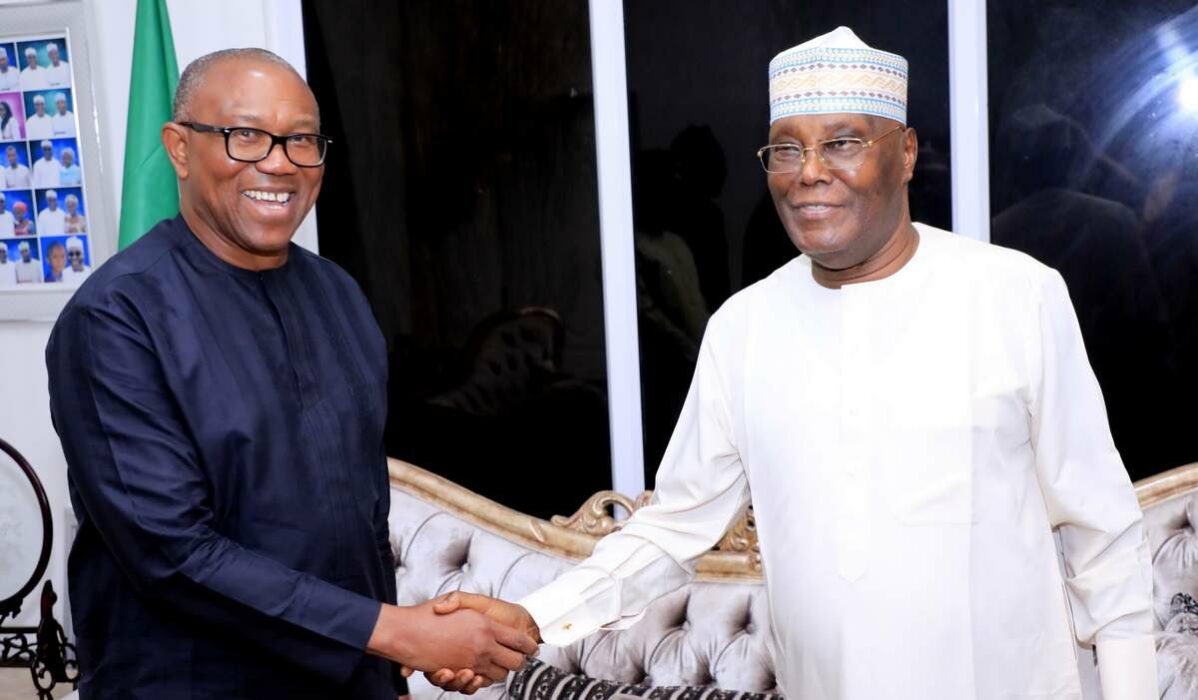
  • ADC Expresses Concern Over Atiku-Obi Alliance Ahead of 2027 Presidential Election

    ADC Expresses Concern Over Atiku-Obi Alliance Ahead of 2027 Presidential Election

    The countdown to Nigeria’s 2027 presidential election has begun, and already, a major headache is brewing for opposition parties. The African Democratic Congress (ADC) has openly admitted its deep worry that two strong contenders, former Vice President Atiku Abubakar and the Labour Party’s popular candidate, Peter Obi, might not join forces. This potential split, according to Mallam Bolaji Abdullahi, ADC’s spokesperson, is a ‘conundrum’ and a serious challenge that could weaken the opposition’s chances against the ruling party, the All Progressives Congress (APC).

    Speaking on Arise TV, Abdullahi made it clear that while this situation is a big deal, he wouldn’t call it the ‘greatest threat’ to our democracy. However, he didn’t mince words about the fact that it’s a tough knot to untie, a real challenge, and something the ADC is truly concerned about. For many Nigerians hoping for a strong alternative in 2027, the thought of Atiku and Obi going separate ways is indeed a troubling one, as it could mean splitting votes and making it easier for the incumbent party to stay in power.

    To properly understand why this potential split is causing so much worry, we need to look back at the 2023 general elections. Before 2023, the political scene in Nigeria was mainly dominated by two big parties: the APC and the Peoples Democratic Party (PDP). However, Peter Obi’s emergence as the Labour Party’s presidential candidate brought a new ‘third force’ into play. Obi, with his message of prudent management and anti-corruption, quickly gained massive support, especially among young people and those in urban areas, who are now famously called the ‘Obidients.’

    Atiku Abubakar, on the other hand, is a veteran politician, a former Vice President, and a consistent presidential candidate for the PDP. He commands significant support across various parts of the country, especially in the North. In the 2023 election, both Atiku and Obi ran strong campaigns, coming second and third respectively. Many political observers and even ordinary Nigerians believed that if Atiku and Obi had found a way to work together, perhaps forming a grand coalition, they might have presented a more formidable challenge to the APC and its eventual winner, President Bola Ahmed Tinubu. This is the background that makes the ADC’s current concern so relevant.

    Now, with 2027 on the horizon, the talk of an Atiku-Obi alliance has been lingering. The idea is simple: combine their strengths, their individual support bases, and their political structures to create a ‘mega party’ or a unified front that can truly compete for the presidency. But as Mallam Abdullahi highlighted, getting these two political heavyweights to team up is proving to be a ‘conundrum.’ Both men have strong ambitions and loyal followers, and convincing one to step aside for the other, or to accept a running mate position, is always a delicate dance in Nigerian politics, often involving intense ‘horse-trading’ and negotiations among ‘power brokers’ and ‘stakeholders.’

    Despite these big national political calculations, Abdullahi revealed that the ADC itself is currently focused on building its house. He explained that at this stage, the party is not even discussing who its own presidential candidates will be. Instead, their priority is on ‘strengthening its national structures’ and ‘developing capacity’ for a strong showing in 2027. What does this mean in simple terms? It means the ADC is busy working to establish a proper presence in all 36 states of the Federation and the Federal Capital Territory. This involves setting up functional party offices, recruiting dedicated members at the ‘grassroots’ level, training party officials, and making sure the party is strong and visible across the country. They want to be ready to compete, not just at the presidential level, but also for governorships, Senate seats, House of Representatives, and State Assembly positions.

    Abdullahi stressed, “We have so much work to do, to establish our presence, to be in a position to contest elections in all the 36 states of the Federation and the FCT. So, this has preoccupied us. But we know that is an issue we have to deal with.” This shows that while the Atiku-Obi dynamic is a concern, the ADC understands that its own survival and relevance depend on internal strengthening. A party cannot effectively participate in national conversations or coalitions if its own foundation is weak.

    Looking ahead, Abdullahi also touched on how the ADC plans to pick its own presidential candidate. He said the party would first try to achieve a consensus. This means getting all potential aspirants and party leaders to agree on one candidate without going through a competitive primary election. Consensus is often preferred by parties to avoid the internal rifts and financial costs associated with primaries. However, if reaching a consensus proves impossible, the party will then ‘throw open’ the presidential ticket, meaning anyone interested can contest, and the party members will vote to pick their flagbearer. This ensures a democratic process if consensus fails. Abdullahi also reminded everyone that the presidential race isn’t just about Atiku and Obi; other capable Nigerians will also be interested, and parties must make room for them.

    Furthermore, the ADC spokesperson confirmed that his party is still actively talking with other political parties to form an even stronger coalition before the 2027 election. This suggests a broader understanding among smaller parties that unity might be their best bet against the established political giants. Historically, successful opposition movements in Nigeria, like the formation of the APC from several legacy parties in 2013, have relied on such mergers and alliances. The goal is to pool resources, votes, and influence to become a formidable force capable of unseating an incumbent.

    In conclusion, the worries expressed by the ADC highlight the complex political calculations already underway for the 2027 presidential election. The potential failure of Atiku Abubakar and Peter Obi to team up represents a significant challenge for Nigeria’s opposition, risking a fragmentation of votes that could inadvertently benefit the ruling party. While the ADC is focusing on building its internal strength, it remains part of the ongoing conversation about broader opposition unity. The coming months will likely see intense negotiations, strategic realignments, and political ‘jostling’ as parties and candidates position themselves for what promises to be a highly competitive and crucial election. The desire for a strong, united opposition remains a key topic for many Nigerians who are eager for genuine change and alternative leadership.