Blog

  • Ahmed Bala launches youth grassroots drive for Seyi Tinubu’s 2027 agenda

    Ahmed Bala launches youth grassroots drive for Seyi Tinubu’s 2027 agenda

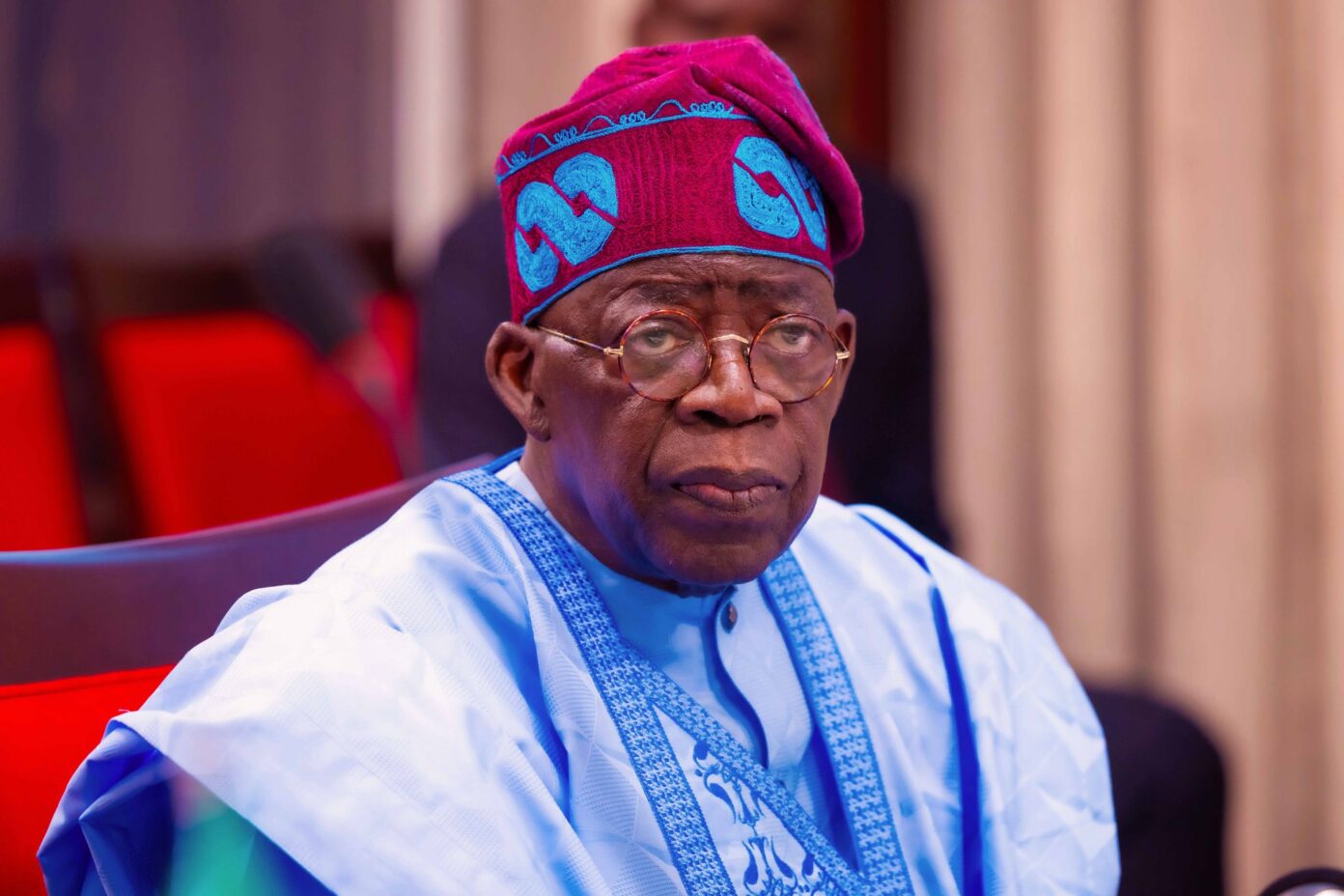
    As the “Third Force” parties solidify their base, the establishment is fighting back on the youth front. Ahmed Bala has officially launched a new grassroots movement aimed at promoting Seyi Tinubu’s youth-focused political agenda ahead of the 2027 elections.

    The movement is positioning Seyi Tinubu as the bridge between the current administration and the Nigerian youth demographic.

    What this means for Nigerians:

    • The “Youth” Battleground: Both the opposition and the government are now aggressively courting young voters, turning the “youth vote” into the most contested territory for 2027.

    • Rebranding the Machine: This move signals a deliberate attempt by the ruling party to “refresh” its image and counter the perception that the administration is out of touch with the younger generation.

    • The 2027 Strategy: By utilizing grassroots drives, the government is shifting from broad national policies to hyper-local engagement, trying to secure support at the ward and LGA levels before the race heats up.


    Without the youth, the 2027 math doesn’t add up. They are moving from the Villa to the streets.


  • World Bank blocks Nigerian comments on Instagram to dodge loan protests

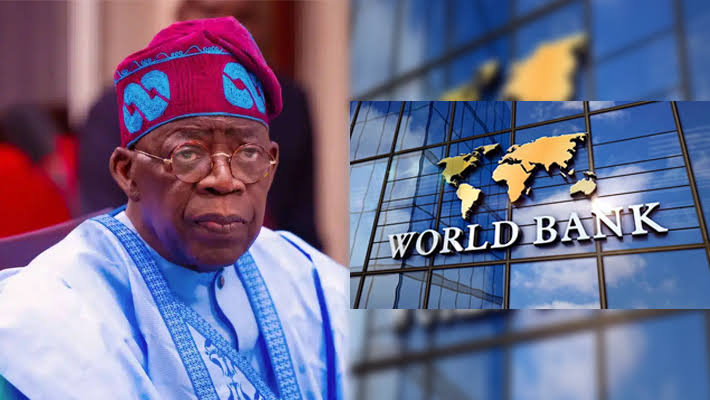
    World Bank blocks Nigerian comments on Instagram to dodge loan protests

    The World Bank has officially restricted comments on its Instagram account. Why? Because Nigerians flooded their page with thousands of messages protesting the latest $1.25 billion loan (part of a larger $2.25 billion package). The bank that claims to “end poverty” decided it didn’t want to hear from the poor people who will be paying the interest.

    Nigerians are tired of “grammar.” Since they can’t easily reach the Villa or the National Assembly, they went straight to the World Bank’s global HQ on Instagram.

    • The Message: The comments were clear—”Stop lending money to a government that is drowning its people in taxes and high tariffs.”

    • The Reaction: Instead of engaging, the World Bank chose censorship. For a global institution that preaches “transparency” and “accountability,” locking the door on public feedback is a bad look. It shows they are more interested in their relationship with the government than their impact on the citizens.

    The World Bank isn’t just a bank; it’s a political machine.

    • This loan is tied to the very “reforms” that are making life hard—floating the Naira and raising electricity tariffs.

    • The World Bank relies on its “good guy” image. When thousands of Nigerians start calling them “debt-trappers” on a public platform, it hurts their global reputation. They locked the comments because the truth was ruining their branding.


    What This Means for Nigerians

    This is the most important part of the story. Here is what this “digital lockout” really tells us about our future:

    •  The fact that a global giant like the World Bank had to lock its doors proves that “Digital Activism” is working. They aren’t ignoring you; they are hiding from you. Your protest made the world notice that these loans don’t have the “people’s consent.”

    •  We always thought the silence was only in Abuja. Now we see that the people lending the money are also part of the “Bunker.” They want to collect the interest from your sweat without hearing your cries.

    •  When the lender and the borrower are both blocking your comments, it means they have already decided your fate. Expect more “tough decisions” from the government, because the World Bank has signaled that they will keep the money flowing as long as the government keeps the people quiet.

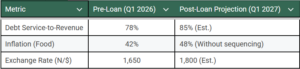
    •  This $1.25 billion isn’t free. Our researcher’s data shows that Nigeria is now spending nearly all its revenue just to pay back interest. Every time they block a comment, they are blocking a conversation about how your children will ever pay this back.

    The “Masses” Summary:

    1. Blocked: The World Bank locked its Instagram because Nigerians were “too loud” about the $1.25 billion loan.

    2. No Transparency: The bank that tells us to be “open” is now hiding from public questions.

    3. The Goal: They want to push the “Washington Pills” (high costs, more debt) without hearing the complaints.

    4. The Reality: Your voice is powerful enough to make a multi-billion dollar bank panic. Don’t let the “locked gate” stop the conversation.

  • Dele Oshinowo is challenging Kafilat Ogbara for the Kosofe seat in a high-stakes political battle

    Dele Oshinowo is challenging Kafilat Ogbara for the Kosofe seat in a high-stakes political battle

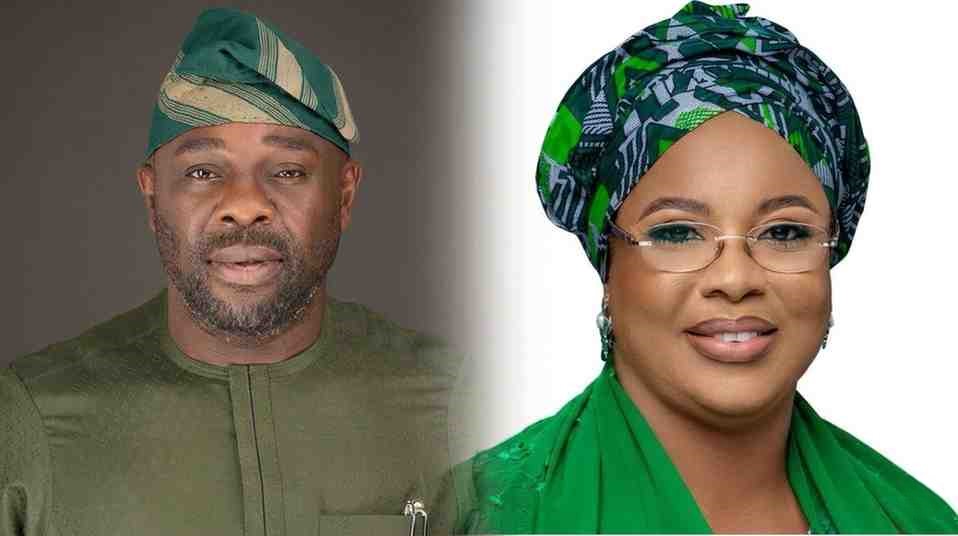
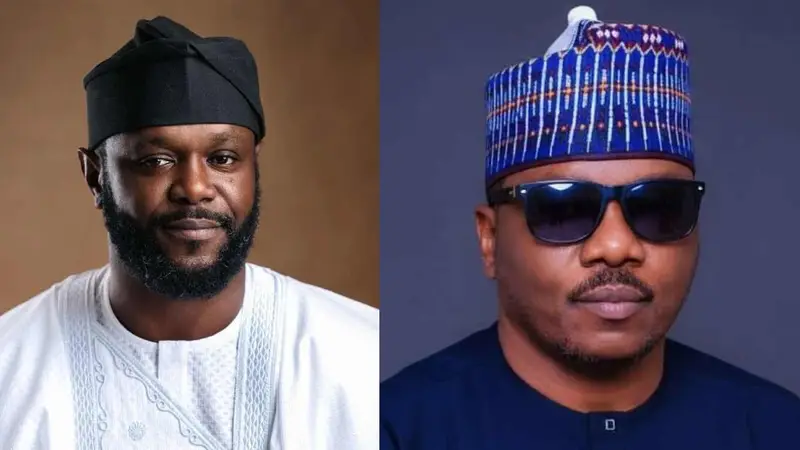
    Reports are flying that Mayor Dele Oshinowo (the former Chairman of Agboyi-Ketu LCDA) is ready to move from his local seat to the big stage in Abuja. His target? The House of Representatives seat currently held by Hon. Kafilat Ogbara.

    This isn’t just a small disagreement; it’s a battle for the soul of one of Lagos’s most influential constituencies. At GoPolitical, we’re looking past the smiles in the posters to find the real “Waza” (secret) behind this fight.


    Why the “Mayor” is Angry

    Dele Oshinowo, popularly called “The Mayor,” has built a strong fortress in Agboyi-Ketu. Our intelligence suggests he feels he has outgrown the local government level.

    The Logic: In the Lagos APC “Machine,” you usually wait your turn. But Oshinowo seems tired of waiting. He is betting on his “grassroots record” to prove that the current representation in Abuja is out of touch with the streets of Kosofe.

    The Threat: He isn’t just “suggesting” a change; he is reportedly threatening to unseat Ogbara. In Lagos politics, that is a bold move that usually requires a “green light” from the higher-ups (The Silk Curtain). The question is: who gave him that light?


    The Ogbara Defense

    Hon. Kafilat Ogbara is not a newcomer. She is a seasoned player in the APC “Machine” and has her own deep roots.

    The Legal/Political Trap: For Ogbara, this is a fight for survival. If she loses the support of the local chairmen in her constituency, her work in Abuja becomes irrelevant.

    The Chokehold: In Lagos, if the local government chairmen decide to “lock the gate” against a Representative, that Representative can’t even hold a town hall meeting without trouble. Oshinowo is the one holding the keys to that gate right now.


    Why is this happening now, in May 2026?

    • With the new Electoral Act Amendment (which we reported on recently) making it harder for “outsiders” to win, the real fight is happening inside the party.
    • Kosofe is a high-revenue area. Whoever controls the House of Reps seat has a massive say in federal projects and patronage that flows back to Lagos. Oshinowo wants a bigger piece of that pie for his “territory.”


    What This Means for the Masses

    For the average person in Kosofe, this fight is a double-edged sword.

    The Good: When two big elephants fight, they sometimes start “spending” on the people to win their favor (roads, empowerment schemes, and food).

    The Bad: It creates tension on the streets. If the “boys” on Oshinowo’s side clash with the “boys” on Ogbara’s side, the ordinary market woman is the one who has to close her shop in a hurry.


    The GAC’s Hard Choice

    In Lagos, the final word usually belongs to the Governance Advisory Council (GAC)— Usually, they don’t like public bickering. They prefer “selection” over “election.”

    By making this threat public, Oshinowo has forced the elders to choose. Will they stick with the incumbent Ogbara, or will they let the “ambitious Mayor” have his way?

  • Inside the Senate’s 2026 Electoral ‘Filter’

    Inside the Senate’s 2026 Electoral ‘Filter’

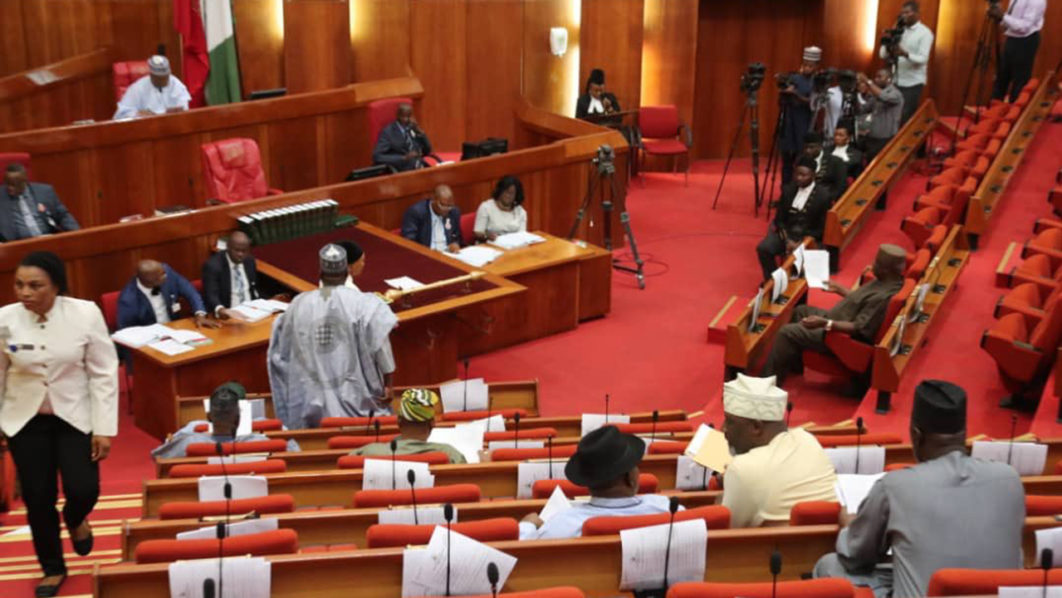
    On Thursday, May 7, 2026, the red chambers of the National Assembly delivered what many political strategists are calling the “Final Filter” for the 2027 general elections

    The passing of the 2026 Electoral Act Amendment Bill is being sold as a cure for “conflicting court orders,” but our intelligence suggests a much darker objective. This is about centralizing the kill-switch for opposition candidacies

    The Intelligence Brief: The “Abuja Bottleneck”

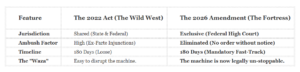
    The amendment forces all pre-election matters into the Federal High Court. On paper, it ends the chaos of a judge in a remote village stopping a national primary. In reality, it moves the entire 2027 legal battlefield into the FCT judicial division—an area where the “Silk Curtain” of executive influence is at its heaviest.

    • The Strategy: If you are an opposition leader in the NDC or the O.K. Movement, you no longer have to worry about a “rogue” state judge. You have to worry about the Chief Judge of the Federal High Court, who now has the sole power to assign your case.

    • The Bottleneck: By May 2026, the Federal High Court is already drowning in over 20,000 cases. Adding 500+ “Fast-Track” electoral cases means the judiciary will be under a state of “controlled exhaustion” heading into 2027.

    The Waza: The “Ex-Parte” Death Sentence

    The real sting in this bill isn’t the jurisdiction; it’s the new rule on Ex-Parte Injunctions.

    Previously, an underdog could get a quick midnight injunction to stop a fraudulent primary. The 2026 Amendment effectively kills this. You can no longer get a stay of execution without the “other side” being present.

    The Catch: In the Nigerian political machine, the “other side” (the party leadership or the state) often “disappears” or refuses service of process until the primary is already over. This amendment essentially ensures that once the machine starts moving, no legal hand can stop it until it’s too late. It’s not “due process”; it’s “process by exhaustion.”

    Mapping the Firewall

    The Impact: Neutralizing the “Coalition”

    The registration of the Nigeria Democratic Congress (NDC) was supposed to be the opposition’s fresh start. But with this amendment, any internal crisis within the NDC—manufactured or real—must now be litigated in the heart of Abuja.

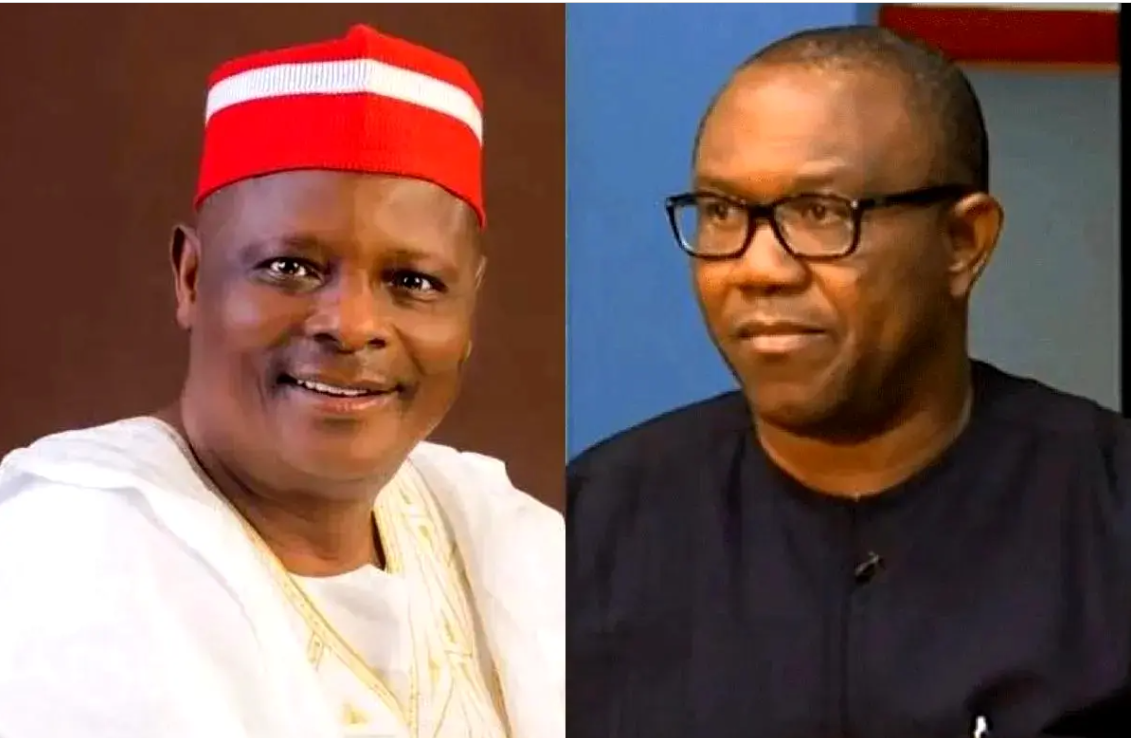
    For Peter Obi and Rabiu Kwankwaso, the “Judicial Firewall” means their 2027 ticket is only as safe as the Federal High Court says it is. While the Villa’s ₦17 billion solar carports provide physical light, this amendment provides the legal “shadow” under which the 2027 primaries will be conducted.

  • May Day 2026: The Long Walk from the 1945 Trenches to the 2027 Ballot

    May Day 2026: The Long Walk from the 1945 Trenches to the 2027 Ballot

    Today, Friday, May 1, 2026, the Federal Government has declared a public holiday to commemorate International Workers’ Day. But for millions of Nigerians, there is no celebration inside banquet halls. Instead, at 7:00 a.m., workers across the federation began assembling at labor houses and public squares for street processions. The Nigeria Labour Congress (NLC) has officially suspended all indoor ceremonies in states that have failed to fully implement the ₦70,000 National Minimum Wage Act of 2024.

    To understand why the streets are vibrating today, we must look at the “Waza” of Nigerian history—a cycle of pain, pills, and the eventual power of the “Common Man.”

    The 1945 “Big Bang”: When the Trains Stopped

    The history of Nigerian labor is the history of Nigerian independence. In March 1945, a coalition of workers demanded an increased minimum wage to combat post-war inflation. When the colonial government denied them on May 2, 1945, the workers issued an ultimatum: grant the demands by June 21 or face a “remedy” of starvation and struggle.

    On June 22, 1945, the railway workers blew their whistles at midnight in Lagos. For 45 days, transportation, communication, and commerce across the colony died. Led by Michael Imoudu, who had just been released from prison, over 200,000 workers proved that while the British could ignore a politician, they could not ignore a worker who refuses to move the train. That strike was the “turning point” that birthed the modern Nigerian state.


    2026: The New Minimum Wage vs. The “Invisible Hand”

    Fast forward 81 years. The struggle remains eerily similar. In July 2024, President Bola Tinubu signed the new ₦70,000 minimum wage bill into law. However, as of May 1, 2026, several state governments are still violating the Act, refusing to pay the new wage or adjust senior workers’ salaries.

    The NLC General Secretary, Emmanuel Ugboaja, described this as an “assault on the dignity of Nigerian workers.” The “Washington Pills” we investigated earlier—fuel subsidy removal and the floating of the Naira—have created a situation where even the ₦70,000 wage (approx. $50) barely covers a week of survival.


    Section 1: The Inflation Trap

    By March 2026, Nigeria’s inflation rate hit 15.38%, breaking an 11-month declining trend. With diesel prices hovering near ₦2,000 per litre, the cost of living has effectively erased the gains of the 2024 wage reform.

    • The Private Sector: Organizations like NECA are calling for “productivity-linked pay models,” arguing that wage increases without output improvements are unsustainable.

    • The Labor View: NLC President Joe Ajaero warns that insecurity and poverty are the “major obstacles to decent work,” with 90% of jobs now trapped in the informal sector.


    Section 2: The Street Processions of 2026

    Today’s processions are not just about the ₦70,000. They are a “formal memorandum of demands” against the escalating cost of logistics and energy. In defaulting states, the NLC has ordered that marches terminate at Government Houses or State Houses of Assembly.

    This is the “Imoudu Strategy” revived: using the collective visibility of the worker to shame the “system architects” who took the $516M loans but neglected the people who must pay them back.

  • Baba-Ahmed Departs Labour Party for PRP

    Baba-Ahmed Departs Labour Party for PRP

    Yusuf Datti Baba-Ahmed, the 2023 Labour Party (LP) vice-presidential candidate, formally announced his exit from the party on Tuesday, April 28, 2026. He cited deep-seated internal disagreements and a belief that the Labour Party has strayed significantly from its original ideals as the primary drivers for his departure.

    Baba-Ahmed revealed that his new political home is the Peoples Redemption Party (PRP), describing it as the “new destination” with a storied 75-year history of progressive ideology. His defection, which took effect at midnight on Wednesday, April 29, signals a potential fragmentation of the “Obidient” movement just as the 2027 election cycle begins to heat up.

    Kwankwaso and Obi: A Budding Mega-Alliance?

    Simultaneously, reports have emerged of intense strategic meetings in Abuja between Rabiu Kwankwaso, leader of the Kwankwassiyya movement, and prominent figures from the Nigeria Democratic Congress (NDC). These discussions have fueled widespread speculation about a formidable “mega-alliance” involving Peter Obi.

    • A “Running Mate” Pact?: Some reports suggest a breakthrough in negotiations, claiming Kwankwaso has agreed to serve as a running mate to Peter Obi on a unified ticket for 2027.

    • ADC and NDC Overtures: Both the African Democratic Congress (ADC) and the Nigeria Democratic Congress (NDC) have reportedly made overtures to Obi and Kwankwaso, inviting them to team up under a single banner to challenge the ruling party.

    • The “Ibadan Coalition” Influence: This realignment follows a broader trend of opposition figures—including Governor Seyi Makinde and Senator Seriake Dickson—holding consultative meetings to explore a unified front against the APC.

    Why This Matters

    This shift represents a critical consolidation of Northern and Southern opposition forces. While Baba-Ahmed’s move to the PRP suggests a diversification of platforms, the potential Obi-Kwankwaso ticket aims to bridge the regional divide that hindered their separate runs in 2023.

  • The $516 Million Gamble: Debt, Dogma, and the 2027 Inevitability

    The $516 Million Gamble: Debt, Dogma, and the 2027 Inevitability

    On April 28, 2026, the green chambers of Nigeria’s National Assembly fell silent as the gavel came down. The House of Representatives formally approved President Bola Ahmed Tinubu’s request for a $516 million loan. On paper, it is a “developmental facility.” In the corridors of power, it is known as the Ninth Pill—the penultimate step in a complete adherence to the Washington Consensus.

    As we analyzed in our previous autopsy of Global South politics, no president in the modern era has swallowed all 10 IMF-style prescriptions and survived a re-election. With this $516 million injection, the Tinubu administration has now moved beyond “shock therapy” into what economists call Debt-Fueled Structuralism.

    This investigative report breaks down the mechanics of this loan, the historical trap it mirrors, and why the 1,460-day countdown to 2027 just became significantly more precarious.

    The Anatomy of the $516M Loan

    The request, which arrived with a sense of “executive urgency,” is not a solitary figure. It is part of a broader $2.2 billion external borrowing plan aimed at plugging the 2024-2026 budget deficits.

    Where is the money going? According to the briefing provided to the House Committee on Aids, Loans, and Debt Management, the $516 million is earmarked for:

    1. Macro-Economic Stability: Supporting the volatile Naira, which has struggled to find a floor since the June 2023 float.

    2. Infrastructure Gaps: Funding the “Renewed Hope” coastal highway and rail projects.

    3. The Compensation Paradox: Providing the liquidity needed for the long-promised (but yet to be fully felt) cash transfer programs to “cushion” the effects of the previous eight pills.

    The “Waza” (The Deep Secret): Our data desk reveals that this loan is denominated in USD, but the revenue intended to pay it back—primarily taxes and VAT—is generated in a depreciating Naira. This creates a Currency Mismatch Trap. For every 10% the Naira loses against the Dollar, the real-term cost of servicing this $516 million increases by an equivalent margin, effectively eating the “gains” from the subsidy removal.

    The Washington Commandment Checklist

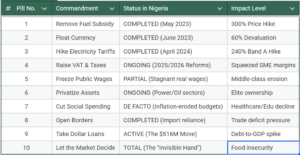
    To understand why this loan is a “Political Harakiri” move, we must look at the status of the 10 Washington Commandments within the Nigerian context as of late April 2026:

    The $516 Million Gamble: Debt, Dogma, and the 2027 Inevitability

    The approval of the $516 million loan satisfies Commandment No. 9. The administration has now achieved a 90% completion rate of the IMF/World Bank script. Historically, this is the “Point of No Return.”

    The Ghost of 2012 — Why History is Screaming

    In 2012, President Goodluck Jonathan attempted a similar sequence. He tried to swallow Pills 1 and 9 simultaneously. The result was “Occupy Nigeria.” While Jonathan eventually partially restored the subsidy, the “trust deficit” was created.

    By 2015, the Nigerian electorate—weary of the “Pain Today, Gain Tomorrow” mantra—voted for a candidate who promised a return to protectionism. The $516 million approved today is essentially a bet that the 2027 electorate will have more patience than the 2015 electorate. But as our Pulse Data Desk shows, hunger does not have a memory; it only has a presence.

    The Mechanism of Voter Revenge

    Why does this loan trigger political failure? Because of the Distributional Lag.

    • The elite (the 1%): See the “growth” in the Stock Exchange and the “stability” in the bond market immediately.

    • The people (the 99%): Feel the loan through the debt service obligations that eventually lead to higher taxes and lower social services.

    In a democracy, the 1% provides the campaign funding, but the 99% provide the PVCs. Between now and the 2027 election (roughly 400 days from this loan approval), the “Gain” from this $516 million must hit the dining tables of Nigerians. If it remains locked in “macro-economic indicators” and “infrastructure projects” that are not yet finished, the loan becomes a campaign advert for the opposition.

    Comparative Lessons

    As we saw in the “Continental Mirror” (Part 4 of our previous series), countries like Kenya and Rwanda managed similar loans by creating immediate, visible “Consumer Liquidity.”

    • Kenya’s Hustler Fund: Provided immediate micro-credit to the very people hit by the taxes.

    • Nigeria’s Strategy: Uses loans to fund macro-infrastructure.

    While a highway is a legacy, a highway does not lower the price of a bag of rice in 2026. This is the “Lagos to Lima” pattern. President Mauricio Macri of Argentina (2015-2019) took a $57 billion IMF loan—the largest in history. He built roads. He modernized the energy grid. He lost by a landslide because the “pills” made the people too weak to walk on his new roads.

    “The House of Representatives’ approval is legally binding under the Fiscal Responsibility Act. However, there is a constitutional tension here. Section 16 of the 1999 Constitution mandates the state to ‘direct its policy towards ensuring… that the economic system is not operated in such a manner as to permit the concentration of wealth or the means of production and exchange in the hands of a few individuals or a group.’

    By taking dollar-denominated loans to service a market-led economy, the state is effectively subordinating the ‘welfare of the people’ to the ‘demands of the creditor.’ In 2027, the legal defense of ‘National Interest’ will likely collide with the democratic reality of ‘Public Suffering.’ The $516 million loan is a legal document, but it is a political liability.”

    The Data Desk Projection

    Our models suggest that for this loan to be “politically neutral” by 2027, it must trigger a minimum GDP growth rate of 6% per quarter for the next six quarters. Currently, Nigeria is hovering around 3.2%. To bridge that 2.8% gap using borrowed money is like trying to put out a fire with gasoline.


    The $516 Million Gamble: Debt, Dogma, and the 2027 Inevitability


    The Choice of the 1,460 Days

    President Tinubu has taken 9 of the 10 pills. He has done in 35 months what usually takes a decade. This is either the greatest act of Genius in African economic history or the most documented case of Political Suicide.

    The $516 million loan approved by the Reps is the fuel. The 2027 election is the spark. Democracy is not a game for economists; it is a game for the people. And history is very clear: the Washington Commandments may please the World Bank, but they bury presidents in the Global South.
  • Is 2027 a Political Suicide Mission?

    Is 2027 a Political Suicide Mission?

    In our previous deep dives, we’ve tracked the “Silk Curtain” and the “Marina Accord.” But today, we look at the foundation of it all: The Economy. There is an unwritten rule in the Global South: you can survive a war, you can survive a scandal, but you cannot survive the Full IMF Dose.

    Professor John Williamson’s “Washington Consensus”—a 10-point prescription for emerging economies—has become the “Kiss of Death” for democratically elected presidents from Lagos to Lima. History shows that no leader who swallowed all 10 pills in a single term has lived to see a second inauguration.

    The 10 Pills of Precarity

    The “Commandments” are famous, and the side effects are universal:

    1. Abolish Fuel Subsidies (The Riot Trigger)

    2. Float the Currency (The Inflation Engine)

    3. Hike Utility Tariffs (The Productivity Killer)

    4. Raise VAT & Taxes (The Squeeze)

    5. Freeze Wages (The Morale Drain)

    6. Privatize Assets (The Elite Transfer)

    7. Cut Social Spending (The Safety Net Tear)

    8. Open Border Imports (The Local Industry Shock)

    9. Accumulate Dollar Loans (The Debt Trap)

    10. Market-Led Pricing (The Hunger Games)


    The Evidence: A Trail of Political Corpses

    The mechanism is simple: IMF reforms transfer pain to the poor immediately, but deliver growth to the elite eventually. Unfortunately, democracy doesn’t wait for “eventually.”

    • Nigeria (2015): Goodluck Jonathan attempted the subsidy pill in 2012. “Occupy Nigeria” happened. By 2015, the ballot box finished what the protests started.

    • Argentina (2019): Mauricio Macri took a $57bn loan and floated the Peso. Inflation hit 54%. He lost.

    • Ghana (2024): Nana Akufo-Addo’s 2022 IMF deal and debt restructuring led to a razor-thin defeat by 1.6 million votes.

    The Tinubu Paradox: Genius or Harakiri?

    President Bola Ahmed Tinubu did in 29 days what took Mauricio Macri four years to attempt.

    • May 29, 2023: “Subsidy is gone.”

    • June 14, 2023: Naira floated.

    • July 2023: Electricity tariffs surged.

    This “Shock Therapy” might please the spreadsheets in Washington, but the IMF does not have a polling unit in Kano or a PVC in Onitsha. As the “Waza” (inner secret) of governance goes: People do not eat GDP; they eat bread.

    Nation

    The “Pill” Taken

    Year

    Political Outcome

    Zambia

    Austerity Talks

    2021

    Lungu lost by 1m votes

    Ecuador

    Fuel Subsidy Removal

    2019

    Moreno dared not run

    Sri Lanka

    IMF U-Turn

    2022

    Rajapaksa chased out

    Nigeria

    Full Dose (10/10)

    2023

    TBD (2027)

    Key Metric: Nations that survive (Brazil, India, Rwanda) sequenced the pain. They did cash transfers first and floated the currency last. Nigeria took the full dose on an empty stomach.

    “The Constitution guarantees a four-year term, but the social contract guarantees survival. Legally, the President has the mandate to reform. Politically, however, Section 14(2)(b) of the Nigerian Constitution states that ‘the security and welfare of the people shall be the primary purpose of government.’ When reforms trigger mass hunger, the ‘primary purpose’ is breached in the eyes of the voter. In the court of the ballot box, ‘Economic Necessity’ is rarely a valid defense.”

  • Sanwo-Olu Endorses Hamzat for 2027 Lagos Governorship

    Sanwo-Olu Endorses Hamzat for 2027 Lagos Governorship

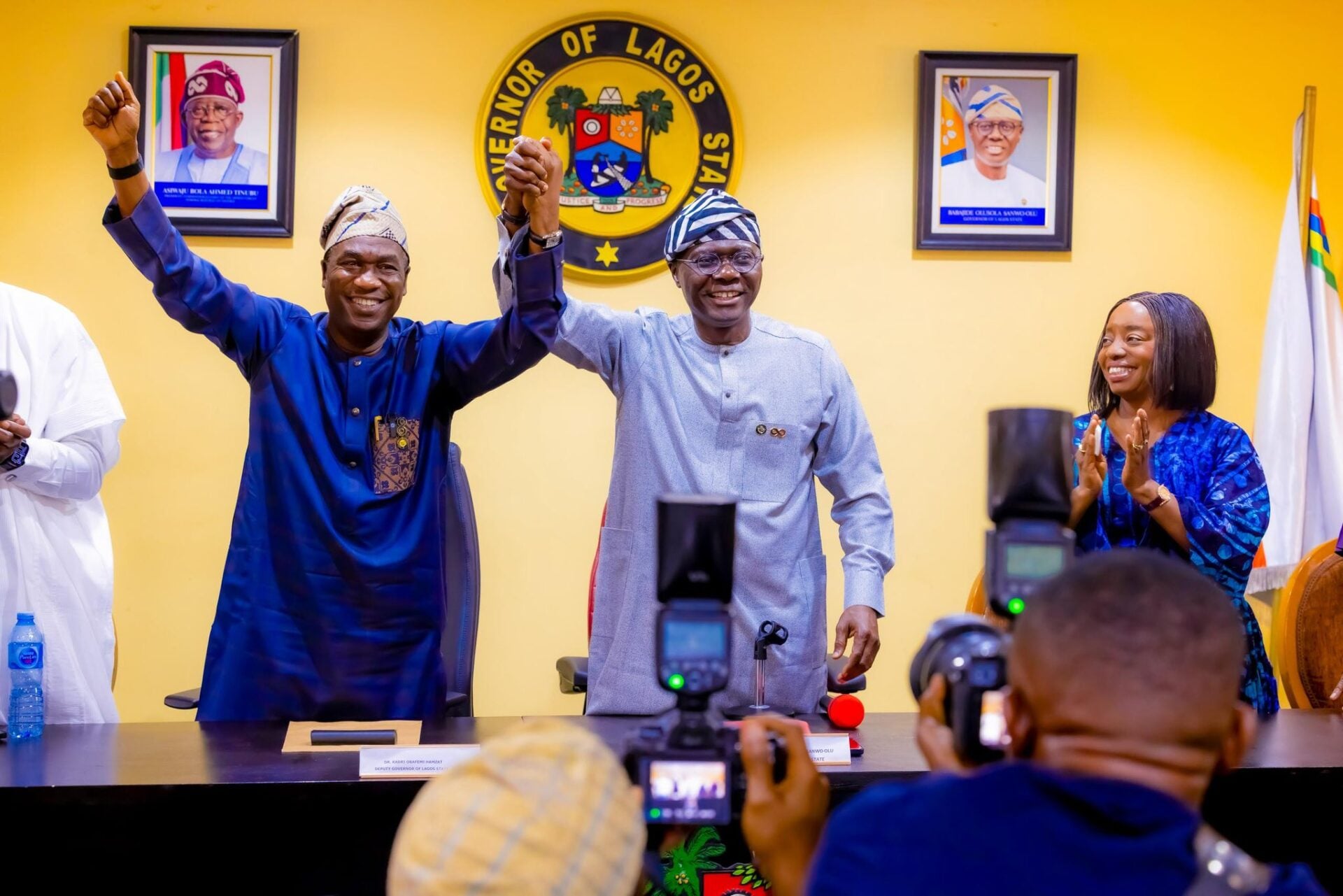
    The “Silk Curtain” of Lagos politics has finally parted. In a move that decisively settles months of “who-is-next” speculation, Governor Babajide Sanwo-Olu has officially endorsed his Deputy, Dr. Kadri Obafemi Hamzat, as the APC’s preferred candidate for the 2027 governorship race.

    The announcement was made during a high-stakes consultative meeting at Lagos House, Marina, on Monday, April 27, 2026. Surrounded by the Governor’s Advisory Council (GAC)—the state’s supreme political body—Sanwo-Olu effectively triggered the transition countdown.

    The “No-Learning-Curve” Strategy

    Sanwo-Olu’s endorsement was anchored in the logic of Institutional Continuity. He described Hamzat not just as a deputy, but as a “co-pilot” who has been integral to the THEMES+ agenda.

    “Lagos is a moving train; it cannot afford a driver who needs a map,” the Governor noted. “Dr. Hamzat knows every room in this house, every pillar of our masterplan, and every challenge we have yet to conquer. He is the bridge to the future we have already started building.”

    The GAC Seal and the Tinubu Factor

    The “Waza” (inside secret) of this move is the timing. By securing the blessing of the GAC and the state’s executive leadership this early, Sanwo-Olu is aiming to prevent the “Succession Wars” that characterized previous cycles (2007, 2015, and 2019). This endorsement is seen by many as a direct alignment with the “Lagos Excellence” model championed by President Bola Tinubu—stability above all else.

    The 2027 Chessboard

    While Hamzat now holds the “Pole Position,” the road to 2027 isn’t without hurdles:

    • Internal Dynamics: Groups like SMA Gold and other power blocs within the APC must now decide whether to fall in line or mount a primary challenge.

    • The Opposition Factor: The “Ibadan Coalition” (PDP, ADC, etc.) will likely view this early move as a sign of APC vulnerability, attempting to frame the endorsement as “imposition.”

  • The Battle for Kogi Central — Natasha Declares, Yahaya Bello Challenges

    The Battle for Kogi Central — Natasha Declares, Yahaya Bello Challenges

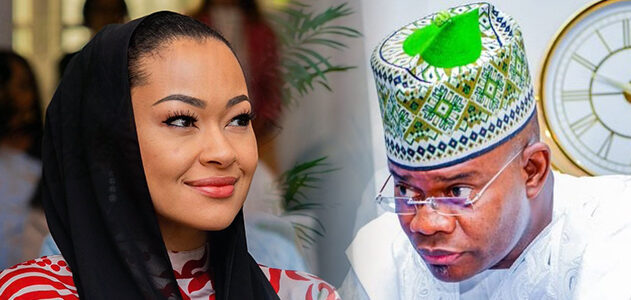
    The political temperature in Kogi State has just hit the boiling point. Senator Natasha Akpoti-Uduaghan has officially declared her bid for a second term in the Senate, setting the stage for what many are calling the “Election of the Century” in North-Central Nigeria.

    But the real “Waza” is who is standing in her way. Yahaya Bello, the immediate former Governor of Kogi State, is officially moving to take her seat in 2027.

    The Rematch of the Decade

    This isn’t just a new contest; it’s a continuation of a decade-long rivalry.

    • The Incumbent’s Stance: Natasha is running on a platform of “Legislative Bravery.” After surviving assassination attempts, a fraudulent recall process allegedly backed by $5 million in “dark money,” and a 2025 suspension from the Senate, she is positioning herself as the “Unbreakable Voice” of the people.

    • The Challenger’s Gambit: Yahaya Bello, whose tenure as governor was marked by intense friction with Natasha, is pivoting to the legislature. His declaration at the Ohinoyi’s palace signals his intent to consolidate his “godfather” status by moving from Lugard House to the National Assembly.

    Why Kogi Central is a 2027 Flashpoint

    This race is the ultimate test of Institutional vs. Grassroots Power.

    1. The “Recall” Backfire: In 2025, a massive attempt to recall Natasha failed when constituents exposed a scam where their NINs were used for signatures under the guise of an “empowerment program.” This has given Natasha a massive “martyrdom” boost.

    2. The Gender Factor: As the first woman to represent the district, Natasha’s second-term bid is a direct challenge to the traditional male-dominated political structure that Bello represents.

    3. The Federal Influence: With Senate President Akpabio previously linked to the anti-Natasha bloc, the 2027 race will be a proxy war between the Villa’s favorites and the local “resistance.”