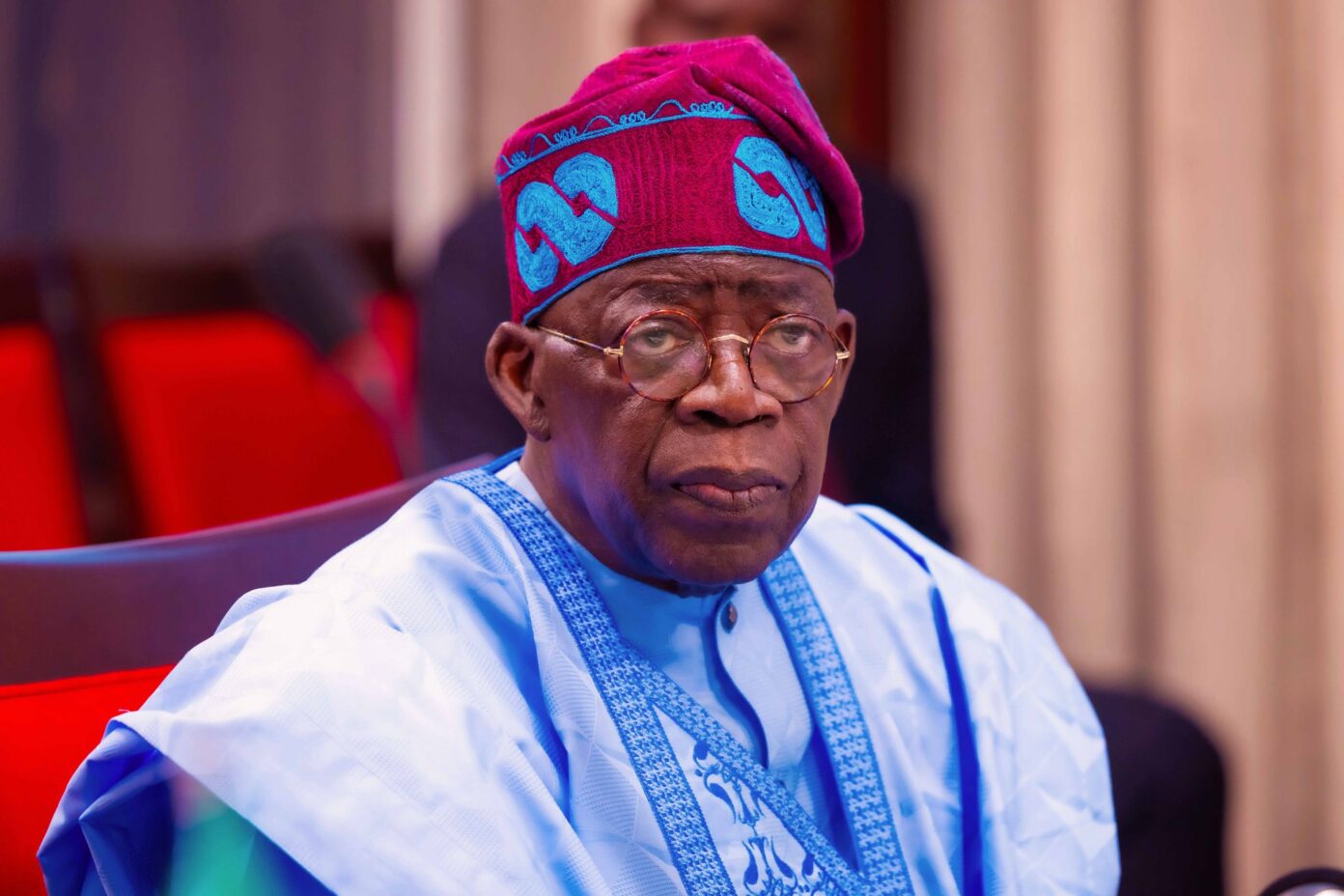
In our previous deep dives, we’ve tracked the “Silk Curtain” and the “Marina Accord.” But today, we look at the foundation of it all: The Economy. There is an unwritten rule in the Global South: you can survive a war, you can survive a scandal, but you cannot survive the Full IMF Dose.
Professor John Williamson’s “Washington Consensus”—a 10-point prescription for emerging economies—has become the “Kiss of Death” for democratically elected presidents from Lagos to Lima. History shows that no leader who swallowed all 10 pills in a single term has lived to see a second inauguration.
The 10 Pills of Precarity
The “Commandments” are famous, and the side effects are universal:
-
Abolish Fuel Subsidies (The Riot Trigger)
-
Float the Currency (The Inflation Engine)
-
Hike Utility Tariffs (The Productivity Killer)
-
Raise VAT & Taxes (The Squeeze)
-
Freeze Wages (The Morale Drain)
-
Privatize Assets (The Elite Transfer)
-
Cut Social Spending (The Safety Net Tear)
-
Open Border Imports (The Local Industry Shock)
-
Accumulate Dollar Loans (The Debt Trap)
-
Market-Led Pricing (The Hunger Games)
The Evidence: A Trail of Political Corpses
The mechanism is simple: IMF reforms transfer pain to the poor immediately, but deliver growth to the elite eventually. Unfortunately, democracy doesn’t wait for “eventually.”
-
Nigeria (2015): Goodluck Jonathan attempted the subsidy pill in 2012. “Occupy Nigeria” happened. By 2015, the ballot box finished what the protests started.
-
Argentina (2019): Mauricio Macri took a $57bn loan and floated the Peso. Inflation hit 54%. He lost.
-
Ghana (2024): Nana Akufo-Addo’s 2022 IMF deal and debt restructuring led to a razor-thin defeat by 1.6 million votes.
The Tinubu Paradox: Genius or Harakiri?
President Bola Ahmed Tinubu did in 29 days what took Mauricio Macri four years to attempt.
-
May 29, 2023: “Subsidy is gone.”
-
June 14, 2023: Naira floated.
-
July 2023: Electricity tariffs surged.
This “Shock Therapy” might please the spreadsheets in Washington, but the IMF does not have a polling unit in Kano or a PVC in Onitsha. As the “Waza” (inner secret) of governance goes: People do not eat GDP; they eat bread. —
Nation | The “Pill” Taken | Year | Political Outcome |
Zambia | Austerity Talks | 2021 | Lungu lost by 1m votes |
Ecuador | Fuel Subsidy Removal | 2019 | Moreno dared not run |
Sri Lanka | IMF U-Turn | 2022 | Rajapaksa chased out |
Nigeria | Full Dose (10/10) | 2023 | TBD (2027) |
Key Metric: Nations that survive (Brazil, India, Rwanda) sequenced the pain. They did cash transfers first and floated the currency last. Nigeria took the full dose on an empty stomach.
“The Constitution guarantees a four-year term, but the social contract guarantees survival. Legally, the President has the mandate to reform. Politically, however, Section 14(2)(b) of the Nigerian Constitution states that ‘the security and welfare of the people shall be the primary purpose of government.’ When reforms trigger mass hunger, the ‘primary purpose’ is breached in the eyes of the voter. In the court of the ballot box, ‘Economic Necessity’ is rarely a valid defense.”
Leave a Reply