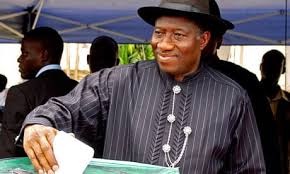
As we navigate the complexities of the 4th Republic, we must look back to a pivotal moment in our electoral evolution. History is not a straight line; it is a circle that we often fail to widen.
On this day, April 5, 2011, Nigeria was in the throes of the most consequential general election cycle of the new millennium. While the National Assembly elections had been abruptly postponed just days prior due to logistical failures (the infamous “April 2nd Halt”), by April 5th, the nation was at a fever pitch of anticipation. This period marked the first time a “Southern Minority” leader, Goodluck Jonathan, sought a full mandate, breaking the “Zoning” hegemony that had defined the PDP’s internal architecture since 1999.
The 2011 elections cost the nation over ₦123 billion—a staggering sum at the time—yet the “Human Cost” was far higher. The tensions brewing on this very day in 2011 eventually erupted into the post-election violence that claimed over 800 lives. When we look at our 2026 Security Budget, we are still paying the interest on the communal distrust sown during that era.