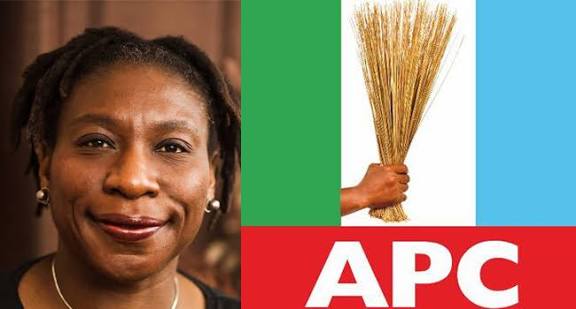
The intersection of family legacy and partisan realignment has introduced a compelling variable into the political equation of Ogun State. The formal integration of Iyabo Obasanjo-Bello into the All Progressives Congress signals a noteworthy shift in the maneuvering ahead of the 2027 gubernatorial election, placing the daughter of a former head of state directly within the fold of the ruling party.
During her registration at the national secretariat in Abuja, the aspirant sought to clearly delineate her political identity from that of her father, former President Olusegun Obasanjo. While characterizing her decision to join the APC as a personal move influenced by the migration of her former associates to the platform, she expressed certainty regarding her father’s electoral behavior. The assertion is that despite the former President’s separation from the APC, his status as a registered voter in Ogun State would naturally translate into support for his daughter should she clinch the party ticket. This narrative attempts to balance independence with the tacit benefit of the Obasanjo political machine.
Strategically, this candidacy is being positioned to leverage the growing discourse on gender inclusivity in Nigerian governance. By citing legislative efforts to reserve seats for women and referencing Ogun State’s historical matriarchs like Funmilayo Ransome-Kuti and Efunroye Tinubu, the campaign is framing the 2027 election as a potential turning point for female executive leadership. The argument posits that the institutional environment within the APC, coupled with the state’s progressive heritage, creates a unique window of opportunity for the emergence of the country’s first elected female governor.
Her entry into the race is poised to alter the internal power dynamics of the APC in Ogun State, where early alignments are already forming. As stakeholders and aspirants intensify their consultations, the focus will now shift to whether the party establishment is prepared to back a candidate who combines a controversial dynastic name with a platform centered on breaking the gender ceiling in executive power.
Leave a Reply