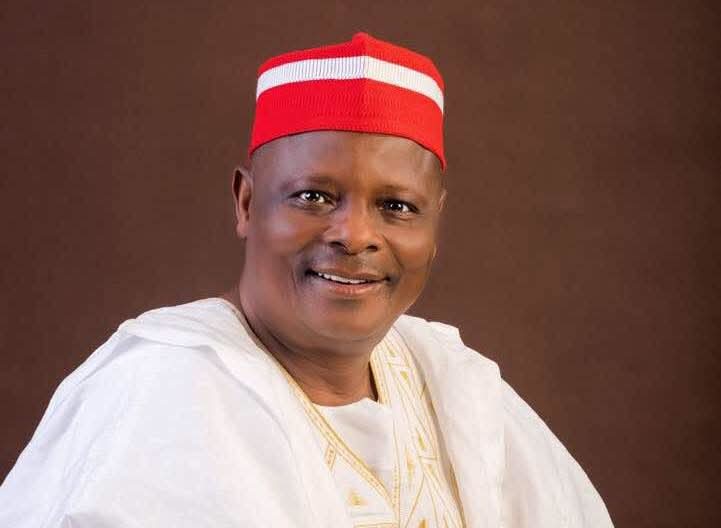
Nigeria’s democratic trajectory is currently facing intense scrutiny amidst fears that the political space is shrinking. The Kwankwasiyya Movement has formally raised alarms regarding the consolidation of power, warning that the convergence of legislative conformity and unchecked political defections threatens to birth a de facto one-party state. This intervention comes at a time when the balance of power within the polity is tilting heavily in favor of the ruling establishment, raising questions about the future of competitive multi-party democracy.
At the heart of this critique is the recent enactment of controversial amendments to the Electoral Act. Despite significant pushback from civil society groups and technical experts urging for robust safeguards, the rapid passage and presidential assent to these laws have been cited as evidence of a disconnect between governance and public will. Dr. Habibu Sale Mohammed, speaking for the movement led by Senator Rabiu Musa Kwankwaso, highlighted that this legislative acceleration bypassed necessary consensus, effectively cementing the ruling All Progressives Congress’s grip on both the executive and legislative branches. The concern is that the ruling party now wields overwhelming influence, allowing it to steer policy without the friction necessary for a healthy democracy.
Beyond statutory changes, the erosion of opposition ranks through cross-carpeting remains a pivotal concern. When lawmakers migrate to the ruling party after securing mandates on alternative platforms, it raises profound constitutional and ethical questions. These movements are not merely administrative adjustments but are viewed as a distortion of the social contract with voters. By diluting the opposition’s numerical strength, the capacity for the legislature to perform its oversight functions and resist executive overreach is significantly compromised. The argument posits that without a vibrant opposition to scrutinize proposals, the legislature risks becoming a rubber stamp for executive desires.
History suggests that democratic regression is rarely sudden; rather, it manifests through the normalization of political opportunism and the stifling of dissenting voices. Preserving the integrity of the republic requires more than just periodic elections; it demands elected officials who honor their ideological commitments and a citizenry that remains vigilant against the concentration of power. The sustainability of Nigeria’s democracy now hinges on the resilience of its institutions against the allure of political convenience and the determination of the electorate to demand accountability.
Leave a Reply